A large roof is a possibility, not a decision
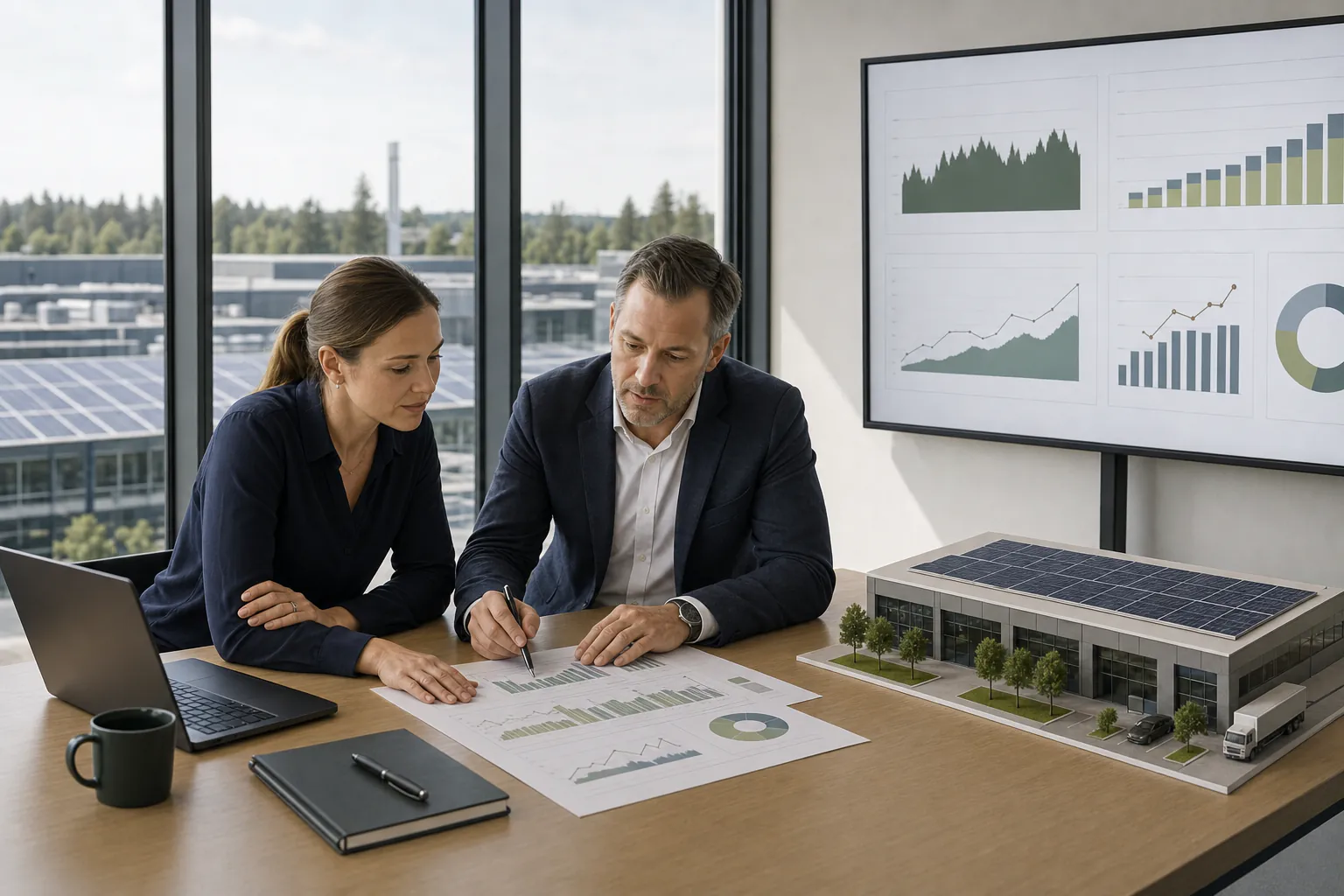
Many solar panel projects start with the roof area. That’s only natural. The roof is visible, the area can be measured, and it’s easy to calculate how many panels will fit.
But profitability starts somewhere else. It starts with the business's electricity consumption.
A solar power system primarily generates electricity during the day and at its highest levels during the summer months. For an industry with a steady daytime load, this can be a very good fit. For a property with low midday consumption, or with tenants who use electricity at other times, the picture is more mixed. In such cases, a large system can generate a significant amount of electricity on an annual basis, but it can also produce more surplus electricity than the initial calculations suggest.
Solar power used for personal consumption replaces purchased electricity. Surplus electricity fed into the grid has a different value. Therefore, proper sizing is often more important than maximum installed capacity.
SBP’s service page on solar energy for commercial properties and industry describes how a turnkey solar energy solution can be tailored to the property’s technical conditions and the customer’s business objectives.
What's Missing from a Simple Payback Calculation
A simplified calculation can be useful in the early stages. It shows whether the project is worth pursuing further. The problem arises when it is used as the basis for a decision on a major investment.
For businesses, an estimated payback period isn’t enough. The calculation should show what happens if electricity prices fall below expectations, if interest rates change, if a tenant moves out, or if the business expands. It should also show which costs are actually affected by in-house production.
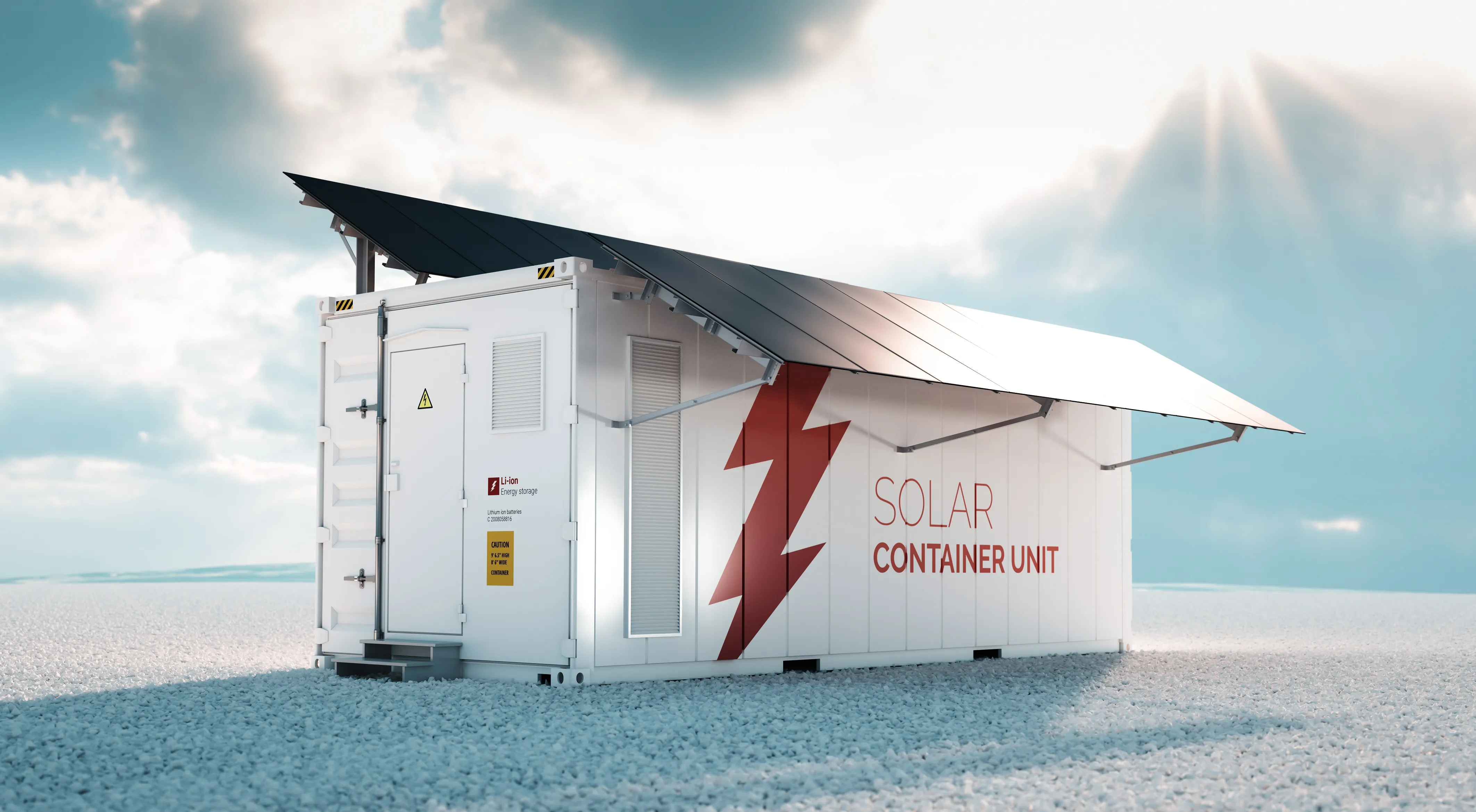
Grid fees are a good example. Solar panels can reduce the amount of purchased energy, but they do not automatically lower a company’s peak power draw. If the peak occurs early in the morning, in the evening, or at the start of production, it may fall outside the hours when solar production is at its highest. In that case, the power component needs to be analyzed separately. In some cases, energy storage for businesses can be a relevant part of the energy plan.
Start with data showing when electricity is used
Annual consumption indicates how much electricity is used. It does not indicate when the electricity is used. To assess profitability, hourly or quarterly figures are needed that can be compared with estimated solar production.
The initial documentation should include:
- Electricity usage over the course of the year, preferably on an hourly or quarterly basis
- power peaks and when they occur
- Electricity supply contracts and grid invoices
- the technical condition of the roof or the ground
- Existing connection and possible limitations
- planned changes to operations, leasing, or real estate
For real estate companies, it’s also important to understand who uses the electricity and who benefits from it. Common-area electricity, tenant electricity, sub-metering, and billing models can affect the calculations just as much as the efficiency of the solar panels.
When planning charging stations, Chargeflow and electric vehicle charging should be taken into account early on. Charging infrastructure can affect both energy and power demand, especially if many vehicles are charging at the same time or if charging occurs when solar power generation is low.
Six Questions That Determine Whether an Investment Is Worth It
What percentage of solar power can be used directly?
Directly consumed electricity is often the most valuable part of production. Therefore, the calculation needs to show how production meets the facility’s actual load, not just how many kilowatt-hours the facility can produce during a typical year.
A high level of on-farm consumption is not an end in itself, but it does make the financial analysis more stable. If a large portion of production is sold as surplus, the compensation must be assessed with caution and based on multiple scenarios.
Is the roof suitable for a long-term installation?
The roof’s surface area is only one part of the technical assessment. Load-bearing capacity, waterproofing, fire escape routes, shading, orientation, roof safety, and existing technology all affect both cost and production.
The remaining lifespan of the roof is particularly important. If the roof will need repairs within a few years anyway, the solar panel project may need to be coordinated with the roofing work. Otherwise, the company risks incurring additional costs for dismantling and reinstallation.
Are the right conditions in place for the electrical system and grid connection?
Solar panels affect a property’s electrical system and require consultation with the utility company. Pre-registration, metering, power feed-in, and any necessary modifications to the electrical panel may affect the timeline and cost.
This is rarely the most obvious aspect of the project, but it can be crucial. A calculation that does not take connections and technical interfaces into account risks being overly optimistic.
How will the investment be financed?
A direct investment may be suitable for companies that have capital, a long-term horizon, and wish to own the facility. In that case, the decision must be weighed against the company’s required rate of return and other potential investments.
For others, capital tied up is the main concern. A Power Purchase Agreement (PPA ) is a useful model to consider when companies want to use solar power without owning the facility. SBP does not currently offer PPAs as a standard arrangement. For customers who want to reduce the amount of capital tied up, SBP’s primary alternative is Energy-As-A-Service, where the solution, financing, and ongoing responsibilities are combined into a single service arrangement.
It’s impossible to say that one model is always the best. The important thing is to compare direct ownership, a Power Purchase Agreement (PPA), and Energy-as-a-Service on the same basis: cost over time, liability, contract term, risk, and flexibility in the event of changes.
Who monitors production after the system goes live?
Solar panels do not require daily maintenance, but they should not be left without monitoring. Inverters, communication systems, cabling, mountings, and protective covers need to function properly over time. An undetected loss of production can quickly impact the bottom line.
Therefore, operational responsibilities should be clearly defined even before the investment is made. Who monitors production? Who receives alerts? Who analyzes deviations? Who is responsible for maintenance and troubleshooting?
SBP’s comprehensive responsibility—from analysis to operation and optimization —is relevant when the client wants to reduce the number of interfaces and establish a clear chain of responsibility throughout the project.
Does the solution fit the company's time horizon?
A solar power system is a long-term asset. It can be highly relevant for a company that owns the property for the long term, has stable electricity consumption, and wants to improve its energy performance or net operating income.
However, if the property is to be sold, renovated, or repurposed in the near future, the calculation must take that into account. The same applies to industrial companies where production, shift schedules, or power requirements may change. A good calculation shows not only today’s results, but also how sensitive the project is to change.
Compare several options before deciding on the scope
The best option isn’t always the largest one. A smaller system can provide a high level of self-consumption and lower risk. A larger system can generate more power, but also result in more surplus electricity and higher capital tied up. A third option can combine solar power with a battery, charging, or a service plan.
The comparison should show:
- investment or contract cost
- Estimated production and on-site consumption
- impact on energy and grid costs
- Operating Costs and Liability
- sensitivity to electricity prices, interest rates, and changes in consumption
- what happens in the event of a sale, renovation, or a new tenant
A short payback period may be a factor, but it should not be the sole basis for the decision. For larger real estate and industrial projects, life-cycle cost, cash flow, present value, and capital tied up are often more useful decision-making metrics.
When is solar power the right next step?
Solar panels are often worth pursuing when there is stable electricity consumption during the production period, a technically suitable surface area, reasonable grid conditions, and a clear plan for the property or business.
It is also important to know what objective the facility is intended to support. Lower energy costs. Reduced exposure to electricity price fluctuations. Improved energy performance. Increased net operating income. Capital freed up through a different business model. A clearer basis for sustainability efforts.
The objective affects both the design and the model.
The next step is usually a feasibility study in which energy data, technical conditions, and financial scenarios are analyzed together. Sometimes this leads to an investment. Sometimes it leads to Energy-as-a-Service. Sometimes it shows that the project should be postponed. That’s also good news, since it reduces the risk of an improperly sized facility.
Please see SBP’s references from commercial energy projects for examples of completed installations and various types of properties.
Frequently Asked Questions About Solar Panels for Businesses
How quickly do solar panels pay for themselves for businesses?
There is no one-size-fits-all payback period that works for all companies. The outcome depends on self-consumption, electricity prices, investment costs, financing, the conditions of the roof, and long-term operation.
Is a large roof always best for profitability?
No. A large roof offers the potential for high production, but profitability depends on how much electricity can be used locally, what technical requirements exist, and the value of the surplus electricity.
Can companies install solar panels without making their own investment?
Yes. SBP’s option for reducing the initial investment is primarily Energy-as-a-Service. A Power Purchase Agreement (PPA) is still relevant to understand as a comparative model, but SBP does not offer PPAs as a standard arrangement.
Can solar panels lower electricity rates?
In some cases, but not automatically. It depends on when the power peaks occur and how they align with solar generation. Measurement data is required to assess the impact.
What information is needed for an initial assessment?
Hourly or quarterly electricity usage data, electricity and utility bills, information about the roof or ground, the existing electrical connection, and known plans for the business are a good place to start.
CTA: Prepare a decision-making document for your property
Would you like to see if the conditions are right? Contact SBP for a review of energy data, the roof, connections, financing, and responsibilities. The goal is to provide a verifiable basis for decision-making, not a standardized forecast.
We look forward to investigating how your property is suitable for green energy.