A PPA is a model for purchasing electricity over time
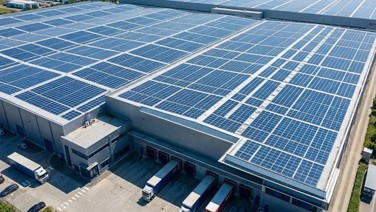
A Power Purchase Agreement is essentially a long-term electricity purchase agreement. In a solar energy project, this often means that an external party finances, owns, and operates a solar power plant on or adjacent to a property. The customer then purchases the electricity generated at an agreed-upon price or according to an agreed-upon pricing formula.
It may sound simple, but the agreement will affect the property for a long time. The price, term of the agreement, responsibilities, metering, surplus charges, roof repairs, and terms of sale need to be clear from the start.
SBP therefore uses PPA as a relevant benchmark when discussing solar energy financing.
SBP's alternative is Energy-As-A-Service
With the goal of reducing the initial investment, SBP currently focuses primarily on Energy-as-a-Service. This is a broader service model in which the solution, financing, and ongoing responsibilities can be combined into a single model tailored to the specific conditions of the property or business.
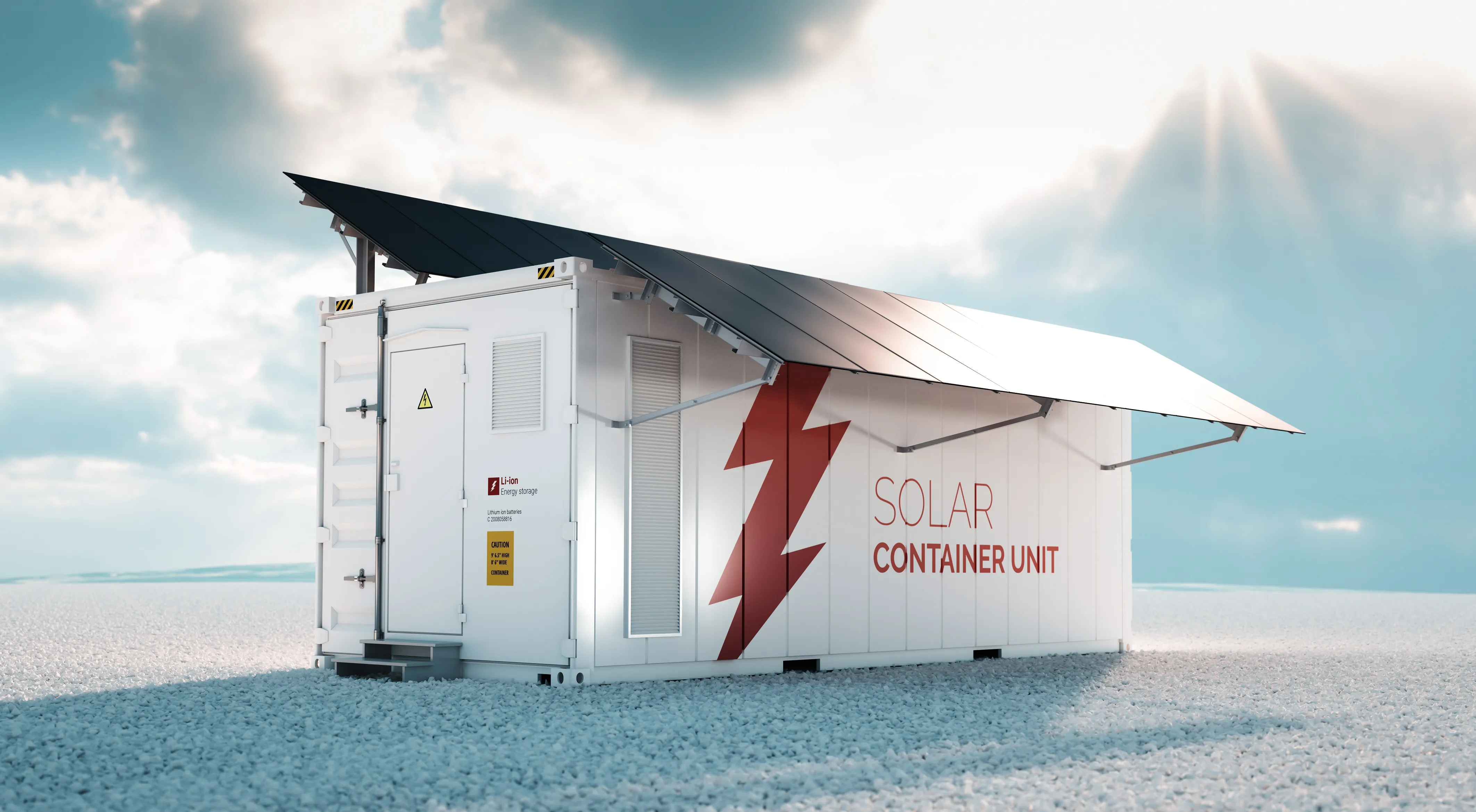
The difference is important. A PPA primarily involves the purchase of electricity, often on a per-kWh basis. Energy-As-A-Service can encompass more functions than just electricity generation, such as solar power for commercial properties, energy storage, electric vehicle charging, control, operation, monitoring, and optimization.
This makes the model more relevant when the energy decision concerns not only a solar power system, but also how the property will reduce costs, manage power output, handle new loads, and establish a clear chain of responsibility over time.
Distinguish between PPA and SBP's current offer
PPA remains an important concept when companies compare solar energy financing options. At the same time, this model should not be confused with SBP’s current offering. SBP’s focus is on Energy-As-A-Service and taking full responsibility for the solution, operation, and monitoring.
For the customer, the difference is practical. The question is not just who owns a solar power system, but what responsibilities come with it, how the solution can be combined with energy storage or charging, and how the results are monitored over time.
What Companies Should Review in a PPA
Although SBP does not offer PPAs as a standard arrangement, it is important to understand this model. Many real estate and industrial companies encounter it when comparing different ways to finance solar energy.
Be sure to check out:
- how the price per kWh is determined and indexed
- how long the contract term is
- who owns the facility and the production data
- who is responsible for operation, maintenance, and insurance
- how surplus electricity and guarantees of origin are handled
- What happens during a roof renovation, remodeling, or property sale
- what terms apply when the agreement expires
A PPA may be the right choice in certain situations, but it is not automatically better than owning the equipment or a broader service arrangement. The decision depends on electricity usage, the condition of the property, the level of risk, the contract term, and the company’s capital strategy.
A PPA does not resolve all issues in a solar energy project
A PPA can reduce the need for an initial investment, but it does not change the technical requirements. The roof’s load-bearing capacity, waterproofing, fire safety requirements, grid connection, and the property’s electricity consumption still need to be analyzed.
If the roof needs to be renovated within a few years, the project may need to be postponed or coordinated with the roof renovation. If the majority of electricity consumption comes from a single tenant, the agreement must be flexible enough to accommodate changes in occupancy. If peak power demand occurs when solar power is not being generated, solar energy may need to be combined with a battery, a control system, or other measures.
That is why SBP does not start with the contract model. We start with energy data, the property’s technical specifications, and the customer’s business objectives.
When is Energy-as-a-Service a better fit?
Energy-As-A-Service is a good fit when a customer wants to implement a Greentech solution without bearing the entire investment cost, but at the same time wants to have clear responsibility for functionality, operation, and monitoring.
The model may be particularly relevant when:
- The property needs several complementary solutions, not just solar power
- Energy storage or charging affects power and control
- The customer wants to reduce its tied-up capital
- the internal operations organization should not bear full technical responsibility
- The results need to be monitored over time
- Responsibility, data, and optimization should be centralized with a clear partner
SBP’s overall responsibility includes analysis and business planning, implementation, operation, monitoring, and optimization. For the customer, this means fewer points of contact and a clearer link between investment, functionality, and financial performance.
Here's how you should compare the options
Don't just compare monthly costs or the price per kWh. For commercial properties and industrial companies, the comparison needs to cover the entire life cycle.
Above all, evaluate:
- total cost over time
- Capital tied up and cash flow
- who owns the facility
- who is responsible for operations and troubleshooting
- how the agreement affects the property's flexibility
- how the solution can be expanded with a battery or charging capability
- how results are measured and tracked
Ownership may be appropriate when the company wants full control over the asset and has capital to invest. Energy-As-A-Service may be appropriate when the functionality, responsibility, and lower initial capital commitment are more important factors. PPA remains an important point of comparison, but should not be confused with SBP’s current offering.
Frequently Asked Questions About Power Purchase Agreements
Does SBP offer PPAs today?
SBP does not offer PPAs as a standard arrangement. SBP’s primary alternative for lower initial capital commitment is Energy-As-A-Service.
What does "Power Purchase Agreement" mean?
A Power Purchase Agreement (PPA) is an agreement to purchase electricity. In the solar energy sector, this often means that the customer purchases solar electricity generated by a facility that is financed, owned, and operated by another party.
Is PPA the same thing as Energy-as-a-Service?
No. PPA primarily involves the purchase of electricity. Energy-as-a-Service is a broader service model that can include solutions, financing, operation, monitoring, and optimization.
When might it be relevant to compare with PPA?
PPA is a useful benchmark when a company wants to use solar energy without owning the facility itself. The comparison should include price, contract term, liability, flexibility, and technical requirements.
What should companies consider before choosing a financing model?
Consider the total cost, capital tied up, the condition of the roof, electricity usage, responsibility for operations, the contract term, and what happens if the property is sold or renovated.
What's the next step with SBP?
The next step is to analyze the property’s energy data, technical conditions, and business objectives. After that, it will be possible to determine whether ownership or Energy-as-a-Service is the most appropriate option.
Check that the financing aligns with the property's actual conditions
Would you like to compare direct ownership, the PPA as a contract model, and SBP’s Energy-As-A-Service? Contact SBP, and we’ll review your electricity usage, roof, power requirements, responsibilities, and which arrangement is best suited for your property or portfolio.
We look forward to investigating how your property is suitable for green energy.