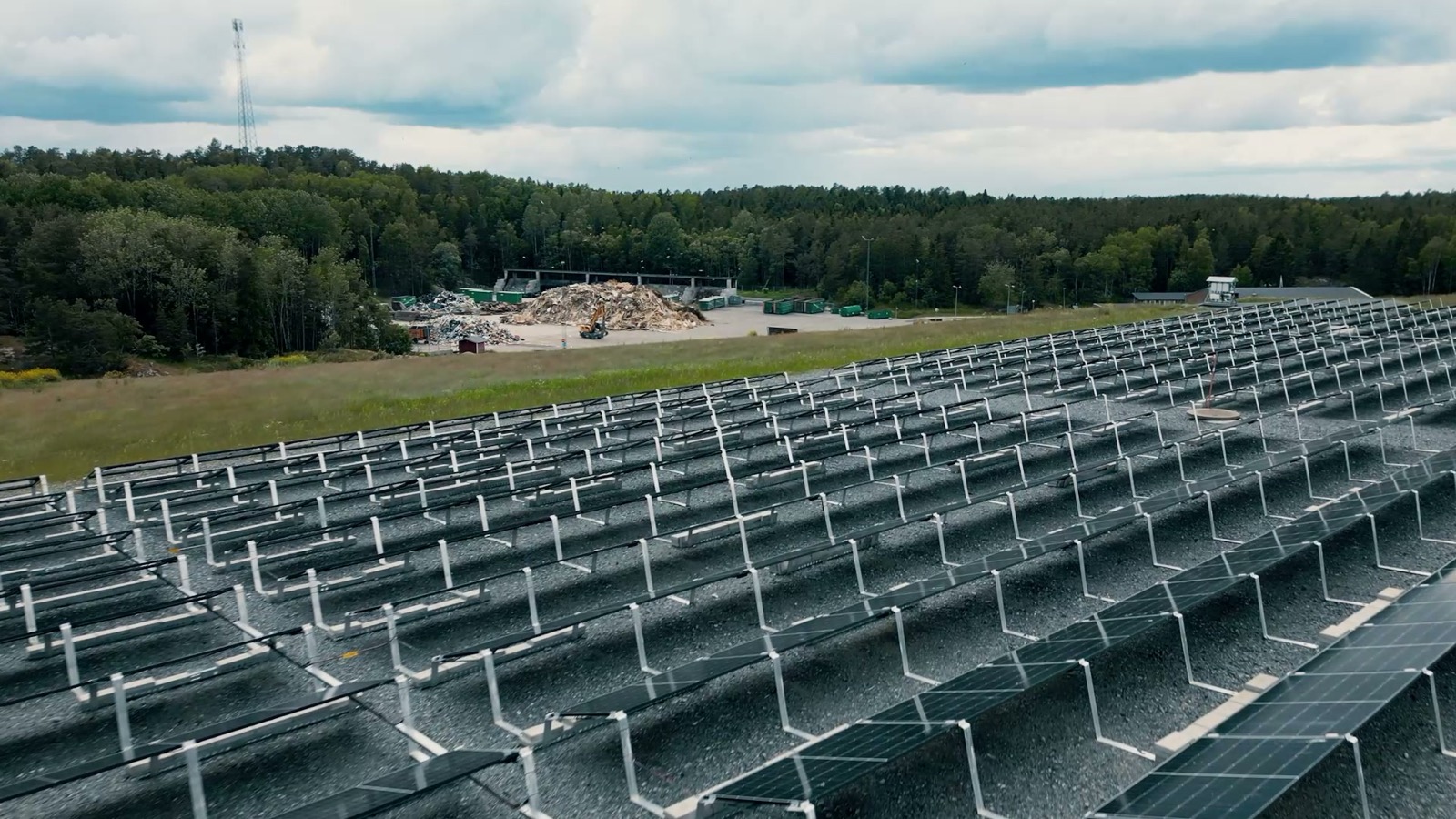
Starting October 1, 2026, new rules will apply regarding how the energy performance and energy class of buildings are stated in an energy declaration. For commercial properties, this is a good opportunity to assess how solar energy can benefit both operations and finances. Self-generated electricity reduces the need to purchase electricity, and when used to power the building’s systems, it can also improve energy performance. This paves the way for a higher energy class.
Solar energy can improve a building's energy performance
When solar power is used for ventilation, comfort cooling, or fixed lighting in common areas, for example, less energy needs to be supplied to these building functions. This can lower the building’s energy performance rating, which forms the basis for its energy class.
For a property with electricity demand during the hours when the solar panels are generating power, the benefits can be twofold. Electricity used on-site can reduce electricity costs, while the portion credited toward the building’s energy use can improve its energy performance. If the improvement is sufficient to meet the next class threshold, the property may receive a higher energy class in a new energy performance certificate.
What will change on October 1, 2026?
A building’s energy performance must be expressed as an energy performance figure rather than the previous primary energy figure. New thresholds for energy classes are now in effect. The applicable threshold depends, among other things, on the building’s category and geographic location. Energy classes A through G already exist, and class A0 was introduced on May 25, 2026.
What's new is how a building's energy performance is specified and which class thresholds are used. With this update, installing solar energy has become even more important for achieving a higher energy class.
Design the facility based on the property's use
A large roof area creates opportunities, but the best system also depends on when and how the property uses electricity. For an office, for example, ventilation and comfort cooling may be needed during parts of the day when the solar panels are generating power. For another property, the balance between the building’s operational needs and the business’s electricity consumption may look different.
When we analyze solar energy for commercial properties, we therefore consider both the expected on-site consumption and the property’s operations. Solar energy used in a tenant’s operations can still reduce electricity purchases and contribute to the project’s financial performance. For the energy performance rating, the solar energy that reduces the need for energy supplied to the building’s systems is the relevant factor in the calculation.
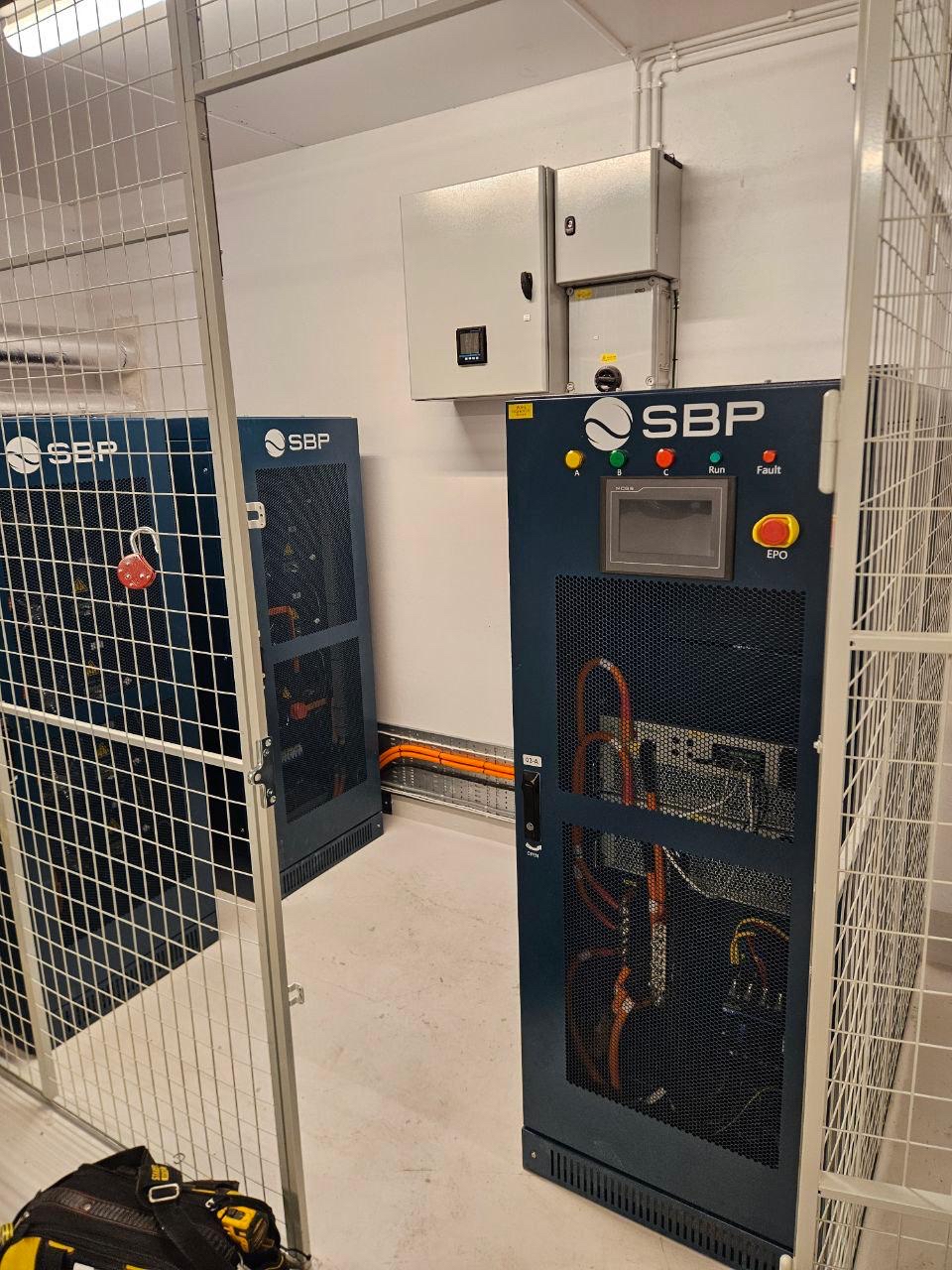
In some buildings, energy storage can make it possible to use more of the electricity generated at a later time. Whether stored electricity also affects the energy performance rating depends on how it is used in the building and is assessed in the relevant energy calculation.
Consider both the cost and the energy efficiency
The existing energy performance certificate and current meter data provide a starting point. From there, you can examine how a solar power system affects purchased electricity, operating costs, and the energy categories included in the building’s energy performance data. This makes it easier to design the system based on the right goals.
SBP assumes full responsibility for the analysis, design, and implementation of the solar energy project. We ensure that the solution works for the property, its operations, and the business case. A certified energy expert assesses the impact on the energy performance certificate and determines the building’s energy class.
Would you like to explore the possibilities for a property or an entire portfolio? Contact us, and we'll review your situation.
Frequently Asked Questions About Solar Energy and Energy Efficiency Ratings
Can solar panels improve an energy efficiency rating?
Yes. When solar power reduces the amount of energy supplied to building functions included in the energy calculation, the energy performance rating can improve. If the improvement is sufficient to cross a class threshold, the building may receive a higher energy class in a new energy performance certificate.
Which self-generated solar power counts toward energy performance?
This is the solar electricity that can be credited toward the building’s heating, comfort cooling, domestic hot water, ventilation, and other building functions in the energy calculation. Solar electricity used for the facility’s electricity consumption can lower electricity costs, but does not thereby improve the building’s energy performance rating.
What will change on October 1, 2026?
New rules for energy performance certificates are taking effect. Energy performance must be stated as an energy performance number, and new thresholds are being used for the energy classes. Solar energy has been able to influence a building’s energy performance even before this change.
Does a valid energy certificate need to be issued immediately?
No, not solely because of the rule change. An energy performance certificate is normally valid for ten years. If you implement a measure and want to demonstrate its effect, a certified energy expert can assess when a new certificate is appropriate.